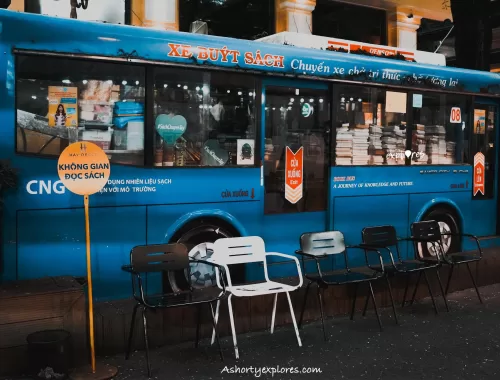

Vietnam Sapa travel tips: tourist traps to avoid, how to get to Sapa from hanoi & itinerary suggestion
Planning a trip to Northern Vietnam? If you love nature, mountain views, stunning rice terraces, and want to understand more of Vietnam’s ethnic culture, Sapa is a great destination. The best part? Traveling from Hanoi to Sapa is easier than you think! In this guide, you will find essential Sapa travel tips, including how to get there, the best time to visit, itinerary suggestion, and tourist traps to avoid.
- 🔗Click here to check the price and schedule for Hanoi to Sapa transportation
- 🔗Vietnam sleeper bus review & survival tips (Sapa route)
- 🔗New Vietnam E-Visa Application Guide: Official website, fees & tips you need to know before apply
- 🔗Hanoi travel guide: must-try food, attractions, Itinerary & currency tips
Sapa transportations
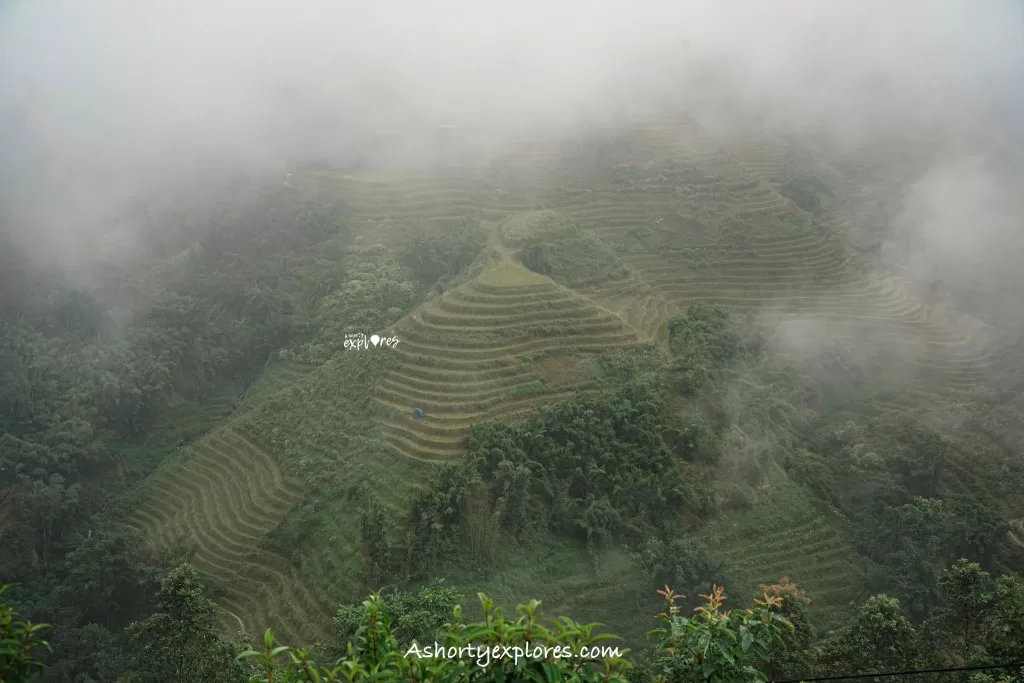
Since Sapa doesn’t have an airport, the most convenient way to visit is by starting from Hanoi. It’s the main departure point with plenty of transportation options.
How to get to Sapa from Hanoi
There are four main ways to get from Hanoi to Sapa:
1. Take the daytime long-distance bus or overnight sleeper bus
Getting from Hanoi to Sapa takes about 6–8 hours by bus or car, making it quite a long journey. 🔗Many bus companies offer both daytime trips and the super-convenient overnight sleeper buses, which you can simply board at night around 10 or 11pm, sleep on the bus, and wake up in Sapa the next morning around 5 or 6am! This option is ideal if you have limited time in Northern Vietnam and want to make the most of your daytime for sightseeing.

One important tip for traveling from Hanoi to Sapa by bus is that, make sure you choose a drop-off point near 🔗Sapa Lake Square. Avoid selecting “🔗Sapa Lao Cai” just because you see the word “Sapa.” That spot is actually for the Lao Cai Train Station, where trains to Sapa arrive. If you arrive there, you will still need to take a bus or taxi to reach the main Sapa area and its attractions.
🔗This transportation booking platform always shows the exact departure and arrival points for you to direct on maps, so it’s clear and easier to plan your trips. I always use their platform to book transportation tickets when traveling. It’s reliable, and in my experience, even refunds are processed quickly. I highly recommend it.
That said, your sleeper bus experience to Sapa can vary greatly depending on the bus company you choose. To avoid a bad ride, I highly recommend choosing the VIP buses. For more tips on surviving the Sapa night bus, 🔗check out this article where I share my personal pleasant ride VS nightmare experiences, along with recommended bus companies.
🔗Check the Hanoi to Sapa bus prices and options here.
2. Take the overnight sleeper train
If you are looking for a different experience, consider taking an overnight sleeper train (cabin style) from Hanoi to Sapa. It works much like the overnight sleeper bus, you depart late at night in Hanoi and wake up in Sapa the next morning.
Some cabins have two bunk beds, while others have just two single beds—so choose carefully if you want a cabin for only two people. Also, make sure to select 🔗Lao Cai Railway Station as your arrival point, when taking a bus or taxi from the train station to the main Sapa area, set 🔗Sapa Lake Square as your destination.
🔗Check the price and current options for trains from Hanoi to Sapa here.
3. Join a 2-day tour to Sapa from Hanoi
The most convenient and hassle free way to visit Sapa from Hanoi is by joining a 2-day tour from Hanoi. All the transportation and activities are taken care of by the local agency, so you can just relax and explore Sapa.
🔗This high rating tour includes taking a gondola to Fansipan Peak, Sapa rice terrace trekking, exploring Lao Chai Ta Van Village and getting to know the ethnic group in Sapa.
🔗This tour is also a high rating option, focusing on trekking in Sapa and spending authentic time with locals in Sapa.
4. Self-drive from Hanoi
If you enjoy driving and would like a more flexible journey, you can drive by yourself to Sapa from Hanoi. But it’s a long journey, the traffic & condition on the road is quite chaotic. If you are not familiar with Vietnamese driving style, and Sapa mountain road, I suggest you not to do it.
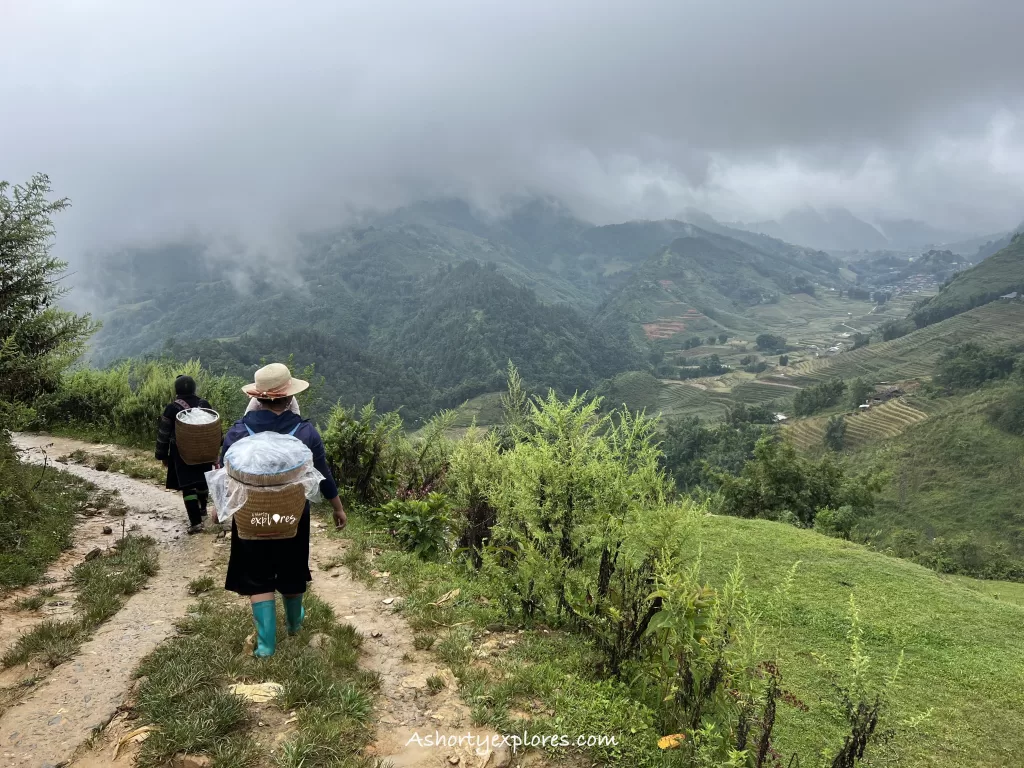
We traveled to Sapa by sleeper bus during the rainy season (early October) and faced some challenges along the way. There was flooding on the road, heavy traffic, and constant honking everywhere. The mountain road was long and full of twists and turns, but thankfully, our bus driver was very experienced, so we arrived in Sapa safely.
On the way back, we took a taxi from Sapa Lake Square to Lao Cai Railway Station. Suddenly, heavy fog rolled in, and we could barely see what was in front of us, maybe only about 50 meters ahead. It was really scary, but again, we were lucky to have an experienced driver, and we made it to the train station safely.
From above personal experience, I really wouldn’t recommend you to drive by yourself.
Safety first!
How to get around in Sapa
Once you arrive in Sapa, most attractions in the town centre are easy to reach by walk. However, if you plan to visit Cat Cat Village, a traditional Hmong ethnic village, you can either walk, get a taxi, or take an electric shuttle.
For Fansipan Mountain, the highest peak in Indochina, you will need to go to the Fansipan cable car station. It’s about a 30–40 minute walk from Sapa centre, but you can also take a quick taxi or electric shuttle to save time. From there, the gondola will take you up the mountain for beautiful views.
We mostly explored Sapa on foot, but we took a taxi once, and it arrived in an electric cart style, which was really interesting. Keep in mind that most drivers don’t speak much English in Sapa (also many places in Vietnam), but they know how to use Google Translate to communicate, so we didn’t have any problems.
Vietnam Sapa tourist traps & how to avoid
1. Rice Terrace Trek tour from the Tourist Center
One of the most famous things to do in Sapa is join the rice terrace trekking tour. It is better to 🔗pre-book the tour online with trustworthy platform, but we didn’t have much time to plan for this trip so we ended up joining the hike with the tourist center in Sapa. If you want to do the same, be aware of how pricing works. The tourist center typically assigns you one local guide, and the cost is based on group size—the more people, the lower the rate per person. However, in our case, we paid the two-person rate but ended up in a group of four, and the price didn’t drop as listed.
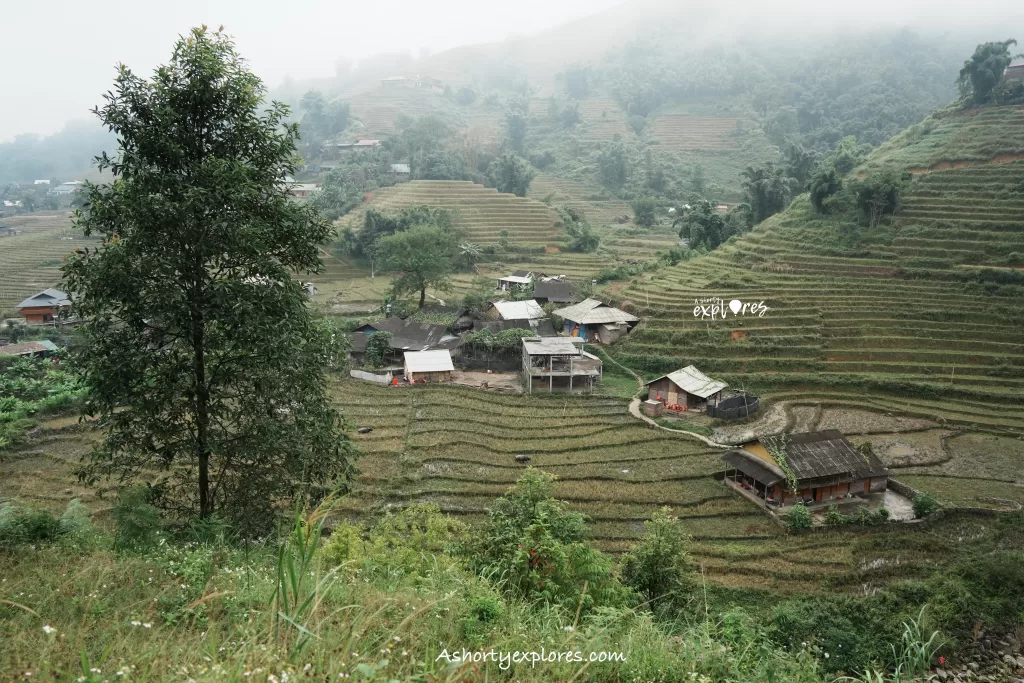
Now, about the local guide: she might bring along several friends to “join” your trek. At first, this seemed nice as we had more locals to walk with, they helped us on the muddy trails (it was the rainy season when we went), and they all carry those traditional woven baskets on their backs, which looks super authentic in photos.
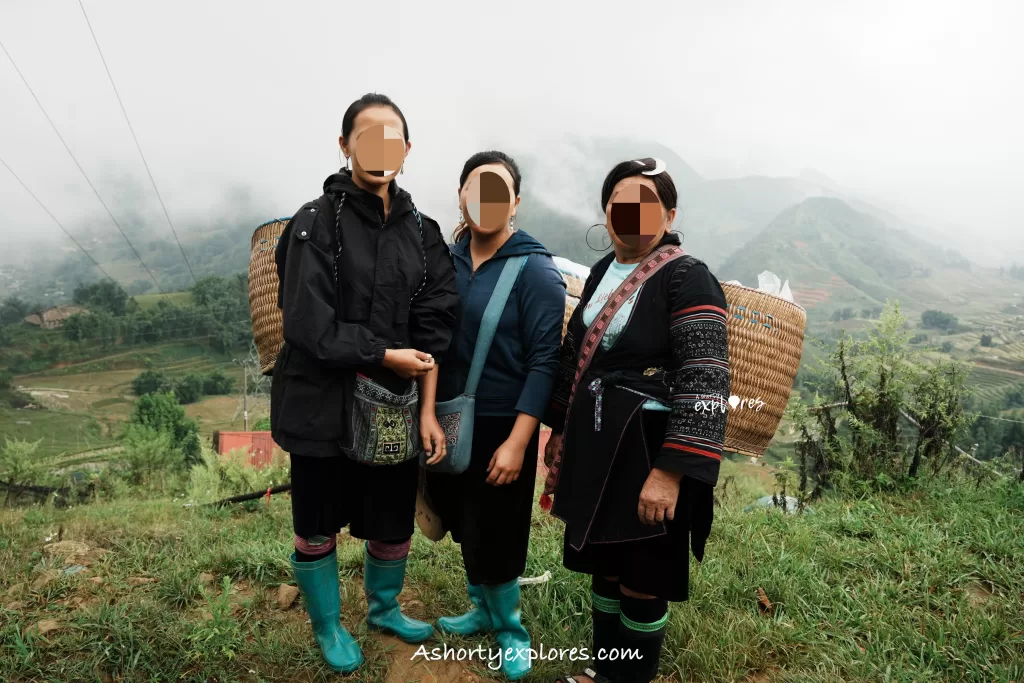
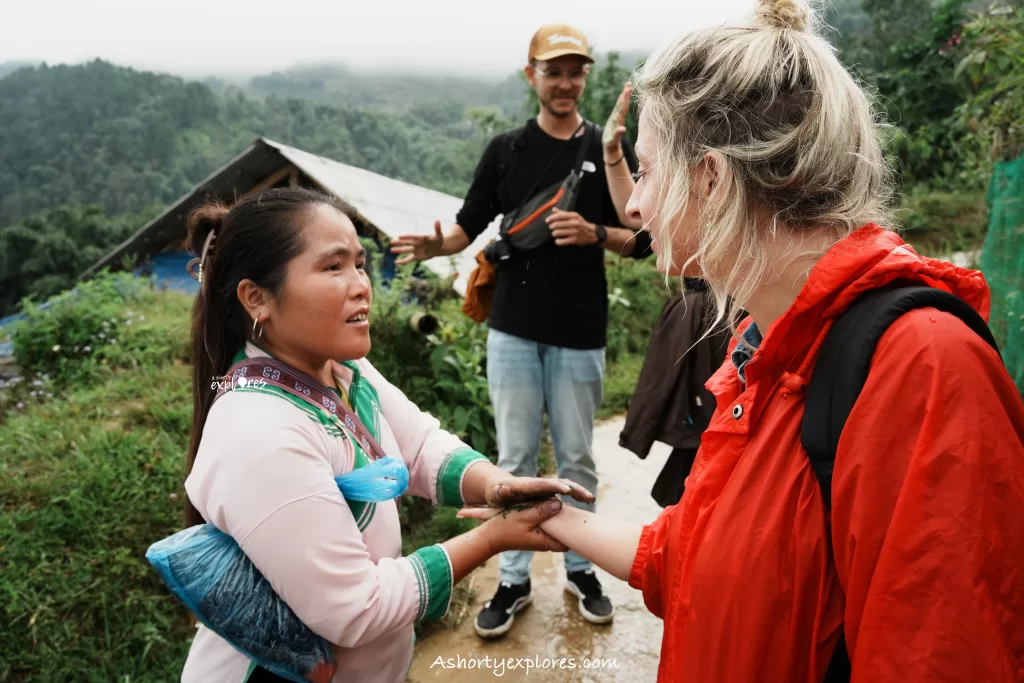
But here is the catch: those bamboo baskets aren’t just for show—they are filled with items the locals want to sell. Toward the end of your Sapa trekking tour, they will stop on the trail and start pressuring you to buy something. They won’t continue walking until you do, creating an awkward and uncomfortable situation. If you don’t buy, you might feel guilty because they’ve been “friendly” & “helpful” the whole way—smiling, and even helping you on the slippery paths.
What do they sell? Mostly small souvenirs like headbands, coin purses, and pouches. The souvenirs are pretty, but are not cheap compared to general souvenirs in Vietnam. I ended up buying a headband for 250,000 VND (around $10–12 USD) and had to pay in cash. Since we didn’t bring much local currency, two purchases nearly wiped out what we had. Later, I noticed everyone in our trekking group bought something out of pressure. And as soon as they sold their items, they left, and only the main guide walked us back to town.
I guess you can refuse to buy, but be ready for those awkward stares and the uncomfortable silence while they stand there waiting.
I mean, I was thankful that they helped me walk through the muddy path, but it really gave me the impression that many Vietnamese locals are only friendly because they want something (sales) from you, they are not just helping you genuinely, which doesn’t feel great(whereas Cambodians people are really lovely).
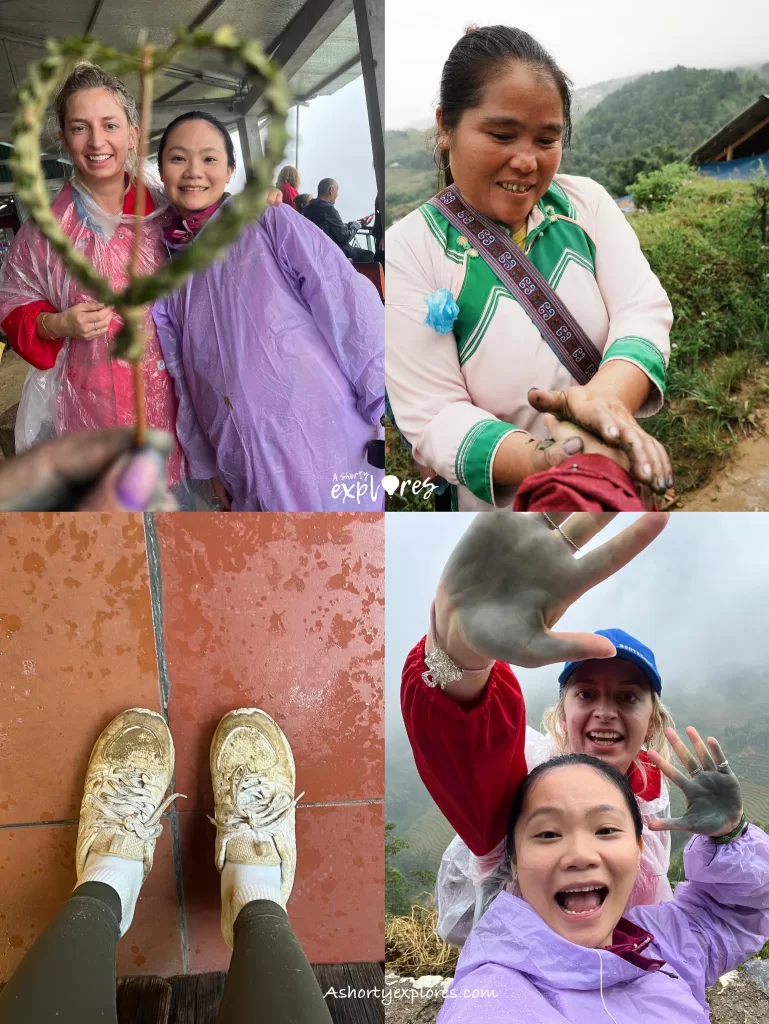
As for the main guide, to be fair, she was actually nice and friendly, and she shared some interesting local culture. And rice terrace trekking tour is still a great cultural activity to do in Sapa.
How to avoid?
The good news? Now that you know, you can avoid the situation. If the guide brings extra people along, just be cautious. You can also choose not to engage much with them during the trek, and you will feel less pressure at the end.
You can also book your rice terrace trek tour🔗on this trusted website that I always use, so the price and reviews from consumers are transparent.
2. Kids sent by adults to selling souvenirs in Sapa
If you are visiting Sapa or other busy tourist spots in Vietnam, you will notice very young kids carrying babies on their backs while selling small souvenirs on the street. They will look at you with sad eyes and say with a begging and desperate tone “Please buy something from me.”
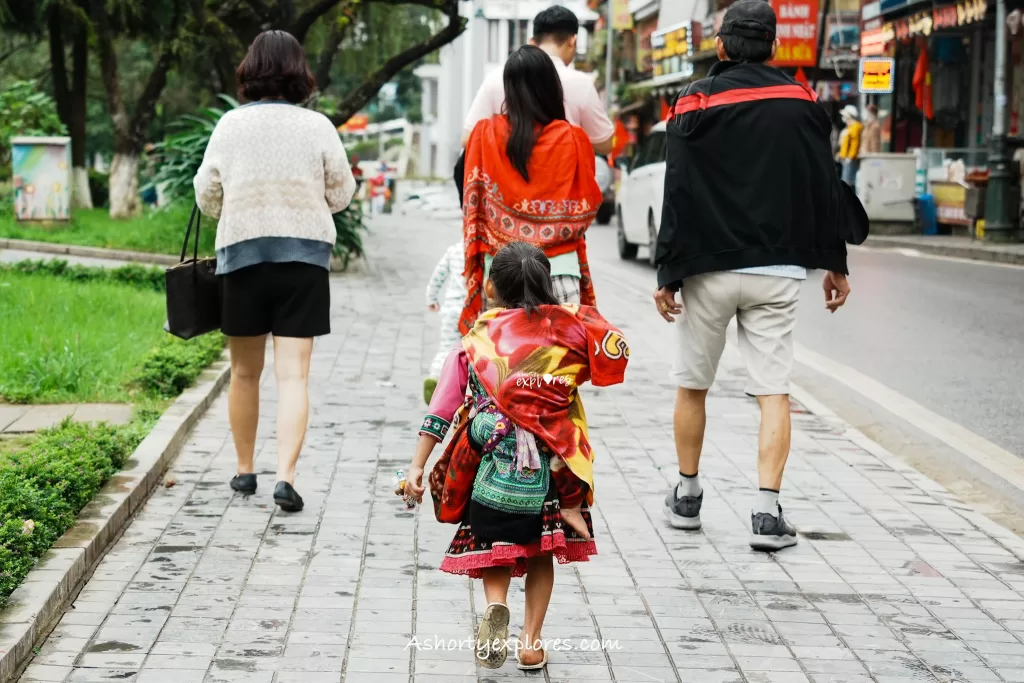
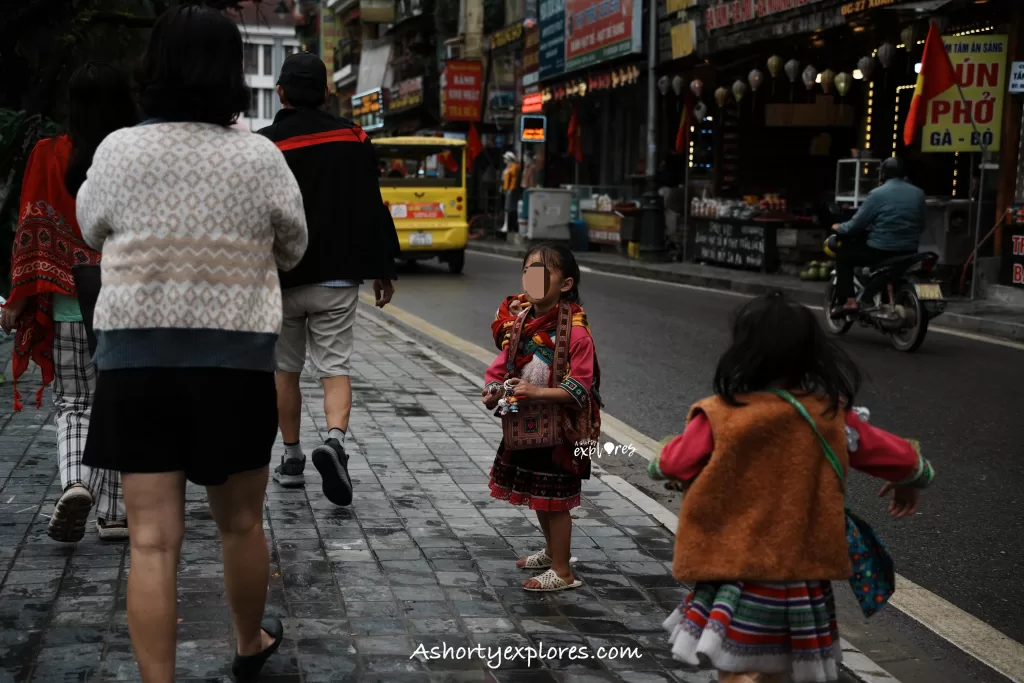
What surprised me the most was arriving in Sapa around 5 or 6 am. The moment we got off the bus, little kids were already waiting at the station and immediately came to us. At first, we thought, maybe we can buy something to help them out. But most of the items they sold were not worth the price, and not so useful or special, it’s just not things we would buy.
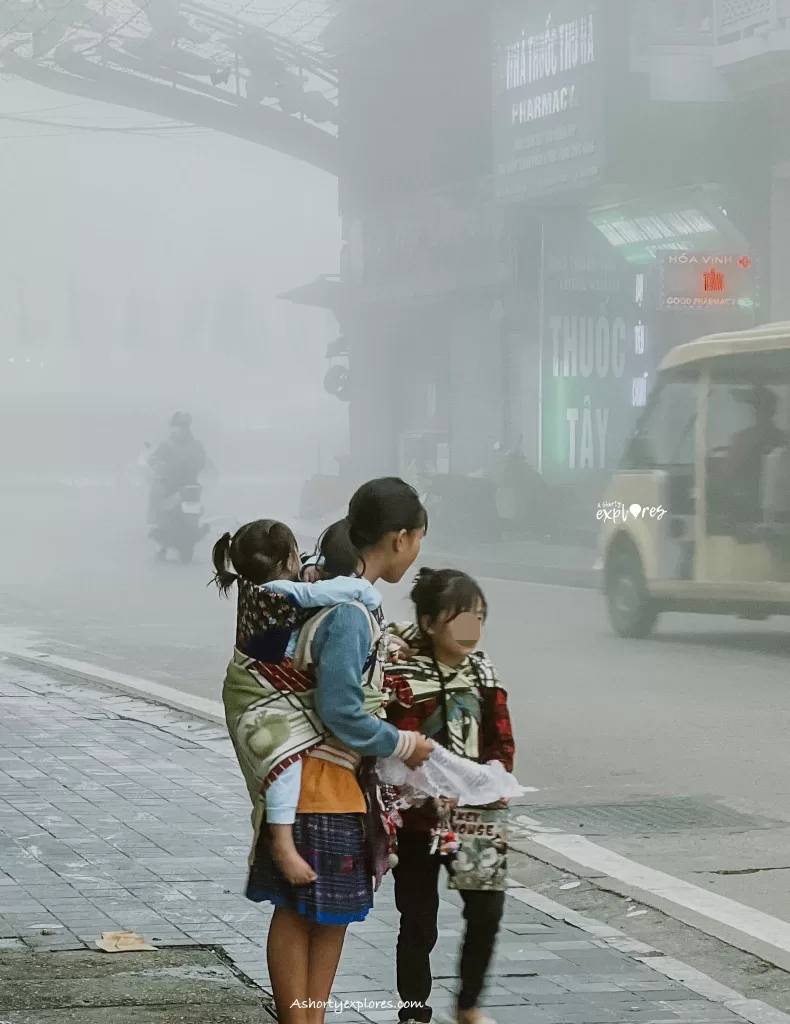
When we didn’t buy anything, a few of them followed us around. We had to be firm and say, “We don’t need it, thank you,” so they moved on to other tourists. The tone they used was hard to ignore and forget and made me feel quite uneasy.
Honestly, it feels strange to see kids out there selling things on their own. I understand their families need money but, where are the adults? It makes you wonder if parents think sending children instead of going themselves works better, since tourists are more likely to feel sympathy and pressured to buy from a child.
That uncomfortable feeling stuck with me until we visited Cambodia, another poor country where kids also sell things or help family’s business. But the approach there felt completely different- smarter, more genuine, and offering items that were actually useful. For example, on Koh Rong Island, some kids would even switch to Chinese when they saw Asian faces, showing real effort instead of relying on guilt. Overall, Cambodians seemed to have a much more positive attitude and mindset compared to what we experienced in Vietnam.
How to avoid it?
Kids selling things on the street is a common scene you will see in Sapa. The way to avoid the mix of emotional pressure and guilt is to be prepared. Now that you know it, you can decide whether you would support them or politely decline (and be firm) when you encounter them.
When to visit Sapa Vietnam?
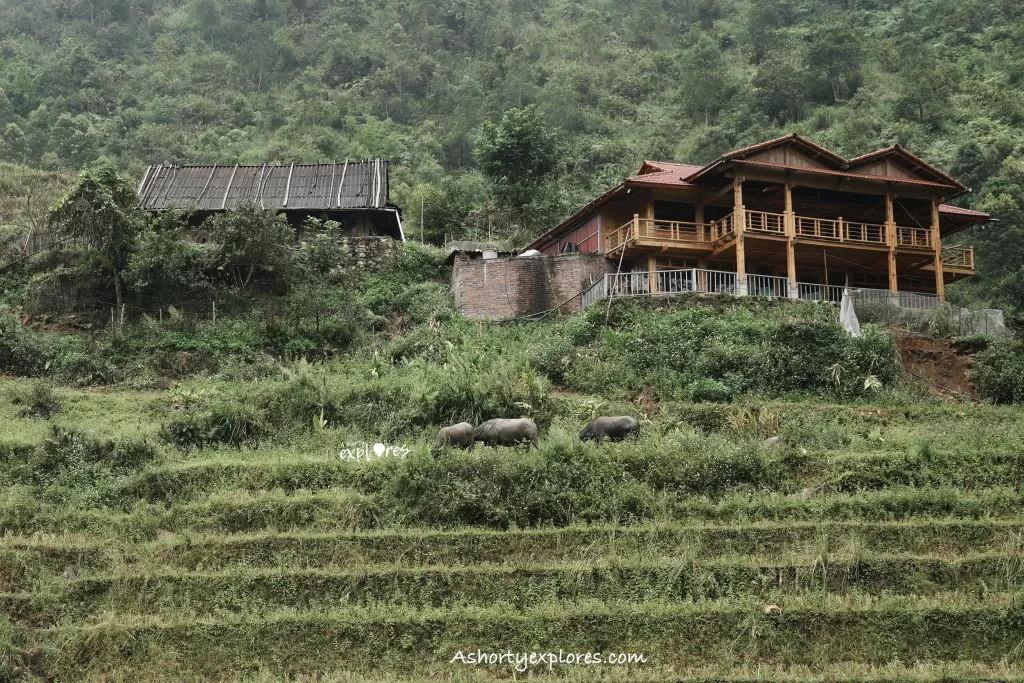
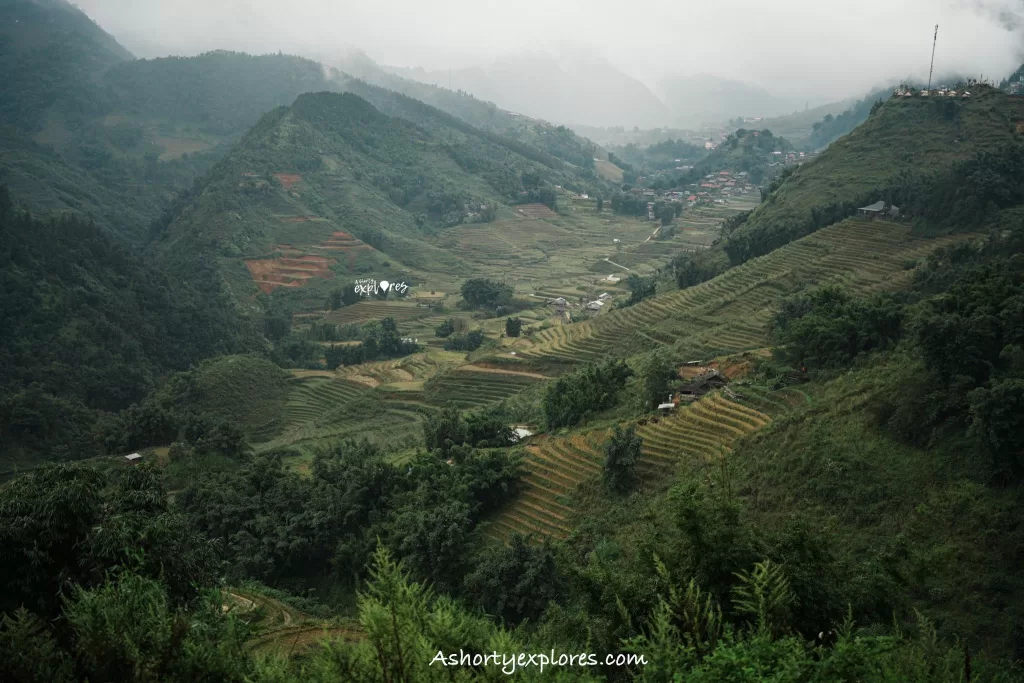
Based on our experience visiting Sapa in the rainy season (early October), we encountered minor road flooding, muddy trails during our rice terrace trek, and even train cancellations due to storm-damaged railway tracks. For the best experience, I highly recommend visiting Sapa during the dry season, when the weather is more stable and the trails are dry and easier to walk. While the rainy season is cooler, it’s not ideal for sightseeing or exploring the rice terraces.
Is Sapa Vietnam worth visiting?
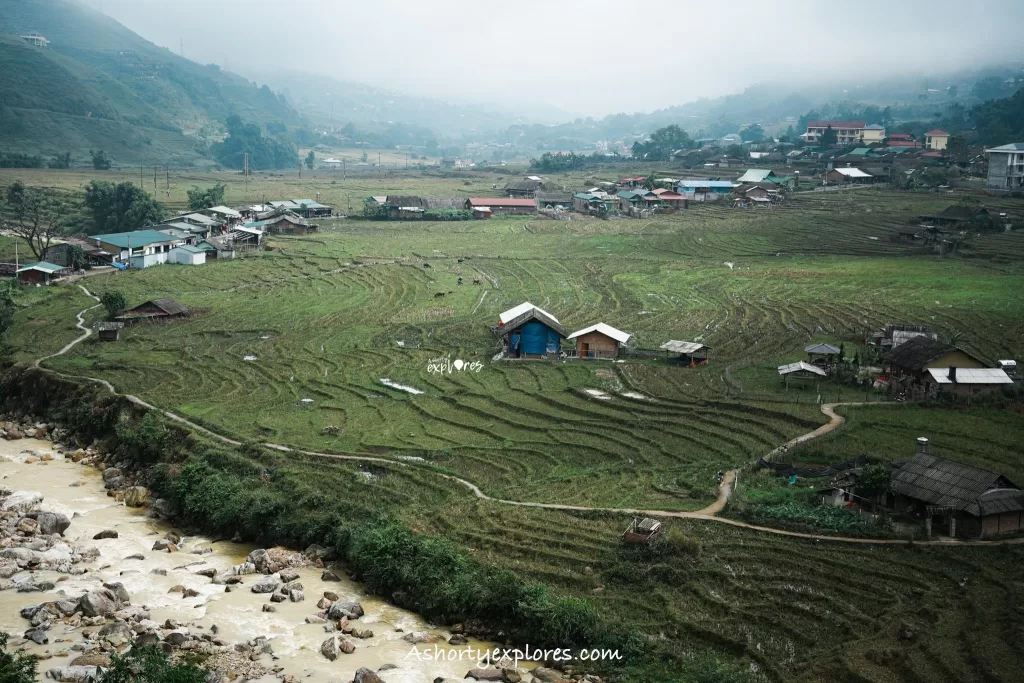
Although my trip to Sapa, Vietnam turned out to be quite an adventure—and I initially wondered why I should go since Taiwan also has rice terraces—my Italian friend really wanted to visit, so we went anyway.
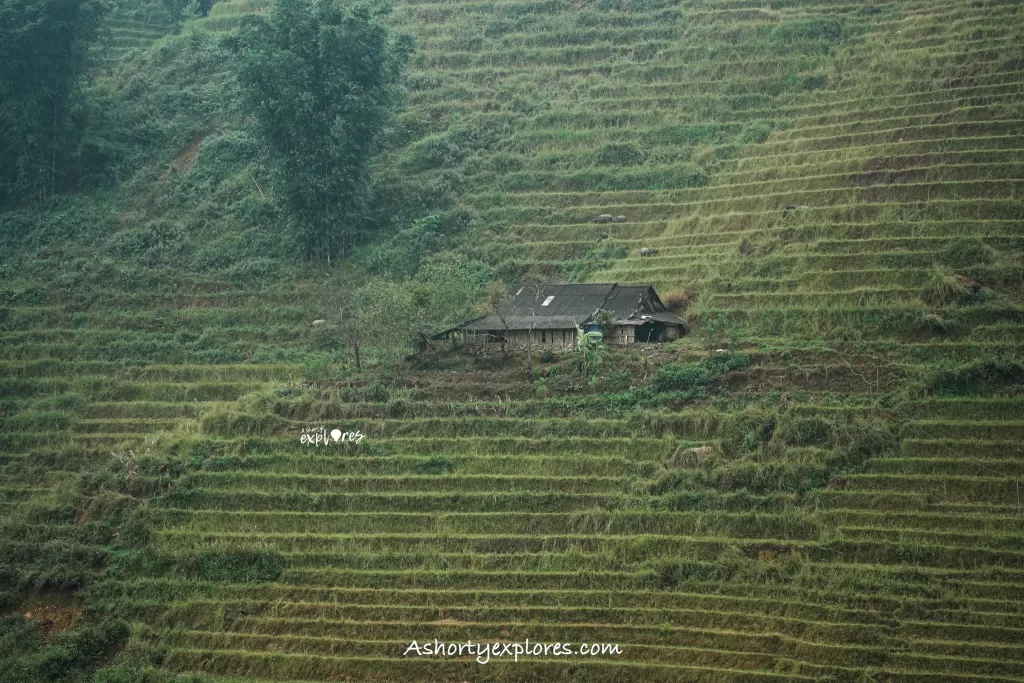
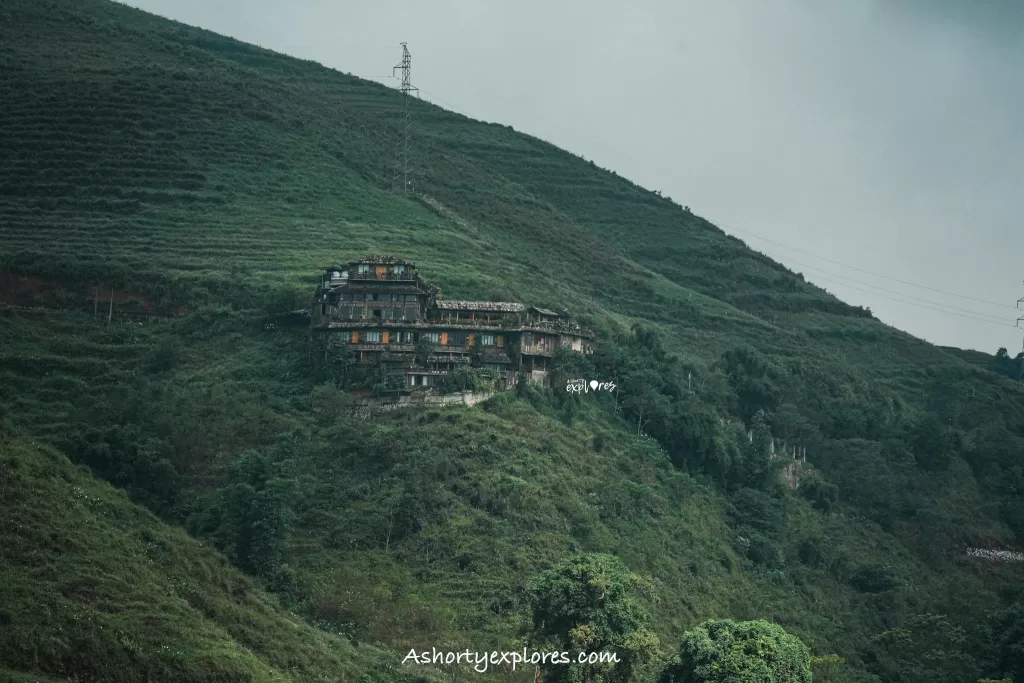
After getting there, I can say that Sapa, Vietnam is definitely worth a visit. The rice terraces in Taiwan are beautiful, but landscapes in Sapa are on a different scale. The terraces are vast, layered, and truly spectacular!
Keep in mind that Sapa is a popular tourist destination in Northern Vietnam, so it can get crowded. Prices at shops are usually higher than in Hanoi, and locals may approach you to sell goods along the streets, which can feel a bit overwhelming. Despite this, the stunning landscapes and unique cultural experiences make Sapa worth a visit.
Can you visit Sapa in just one day? Itinerary suggestion
From our experience, it’s actually possible to enjoy Sapa, Vietnam in just one day. If your time in Vietnam is limited but you want to see the rice terraces and take the cable car up to Fansipan Mountain for mountain views, one day in Sapa can be enough. However, including travel time from Hanoi to Sapa and back, you will need to save two days in total.
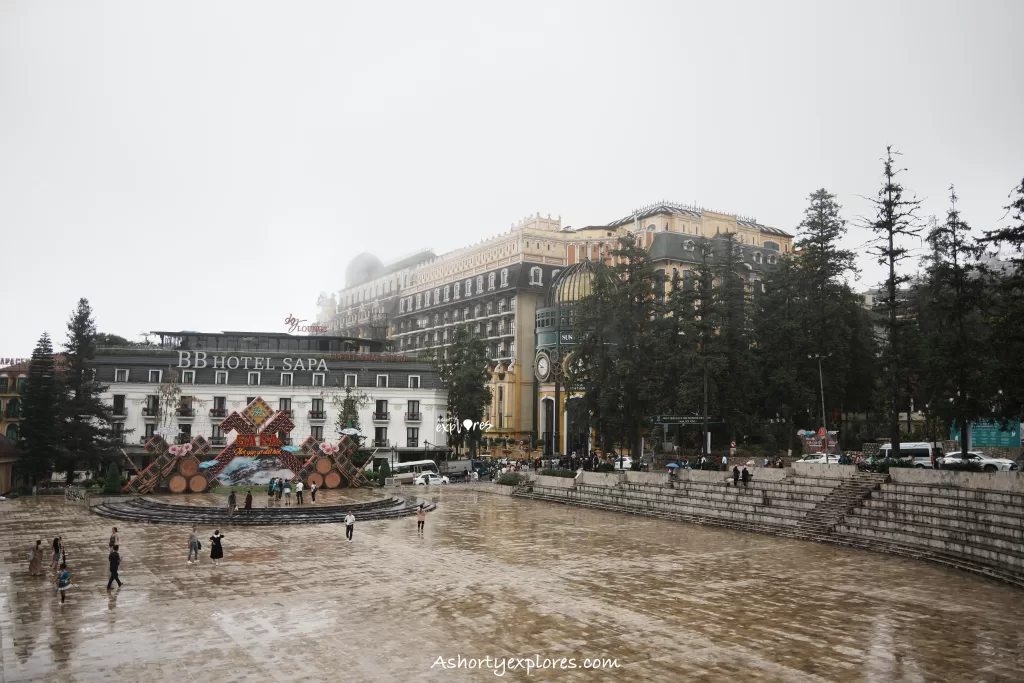
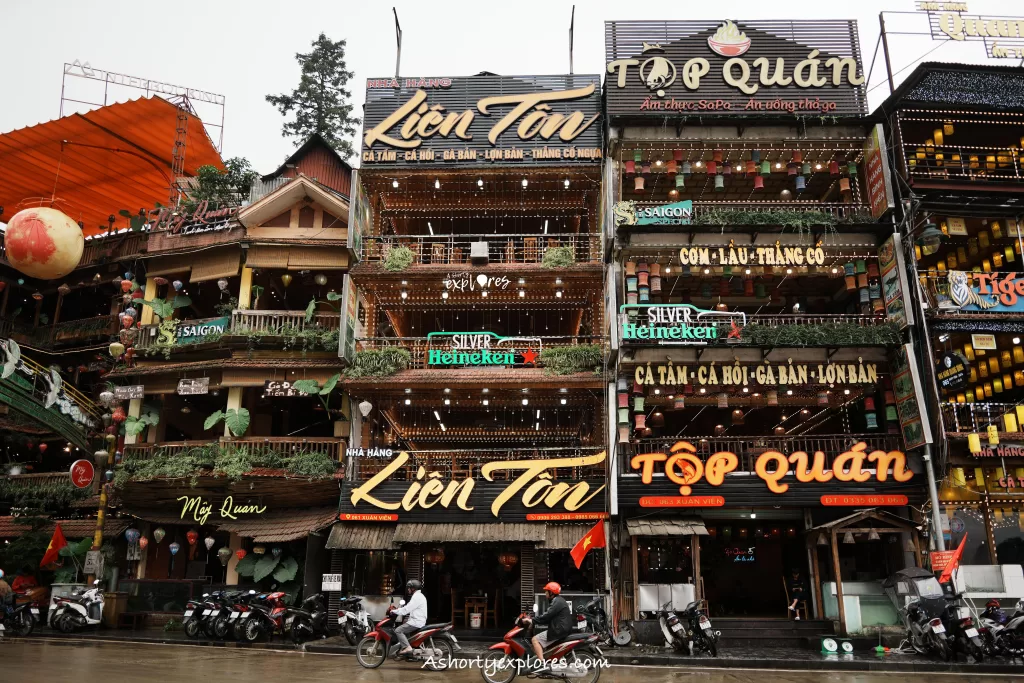
Suggested one day Sapa itinerary can do it like us- we took an overnight sleeper bus (you could also choose an overnight sleeper train) the night before and arrived in Sapa around 5–6 am.


After breakfast, we visited the Sapa Culture Museum.
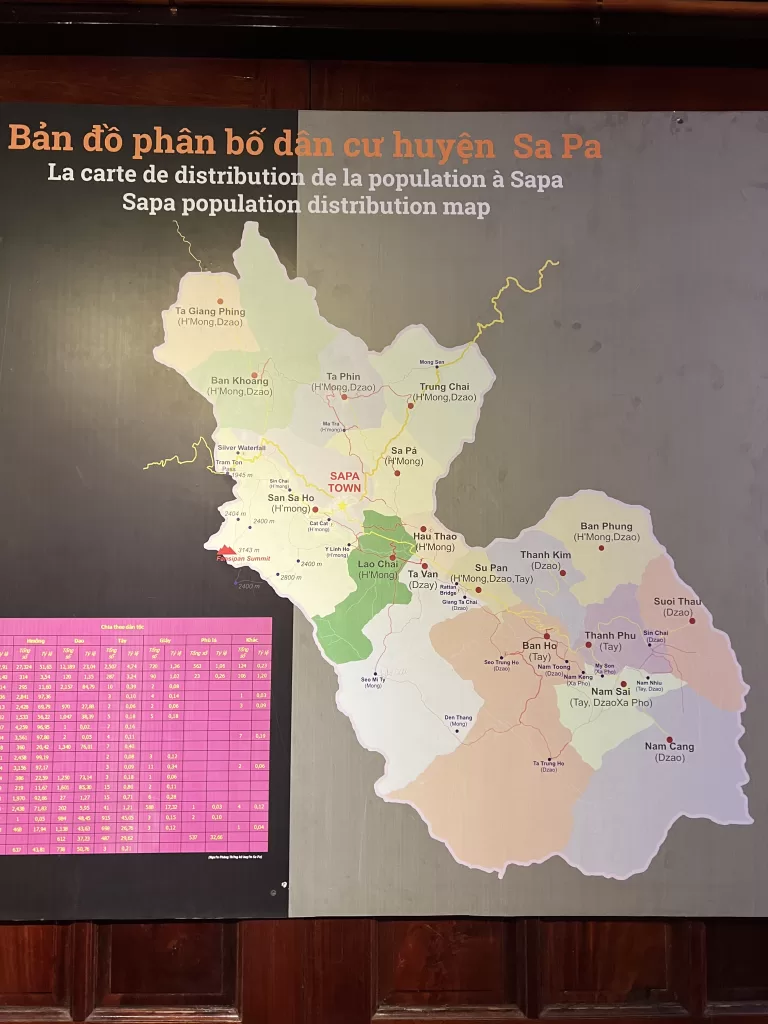
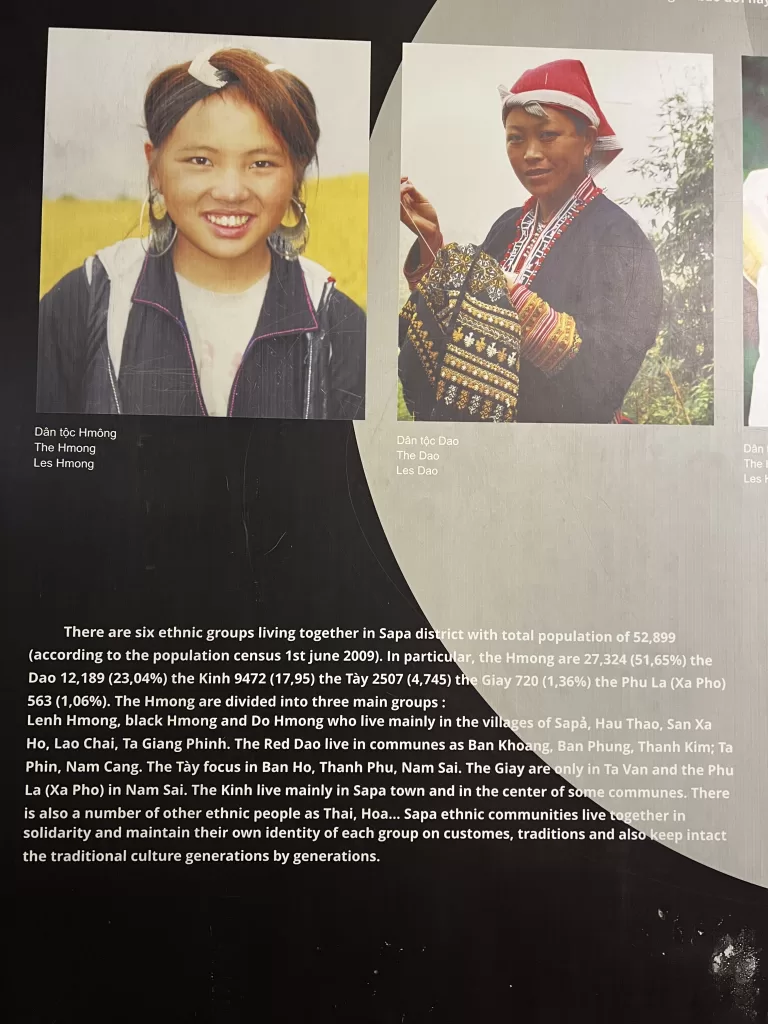
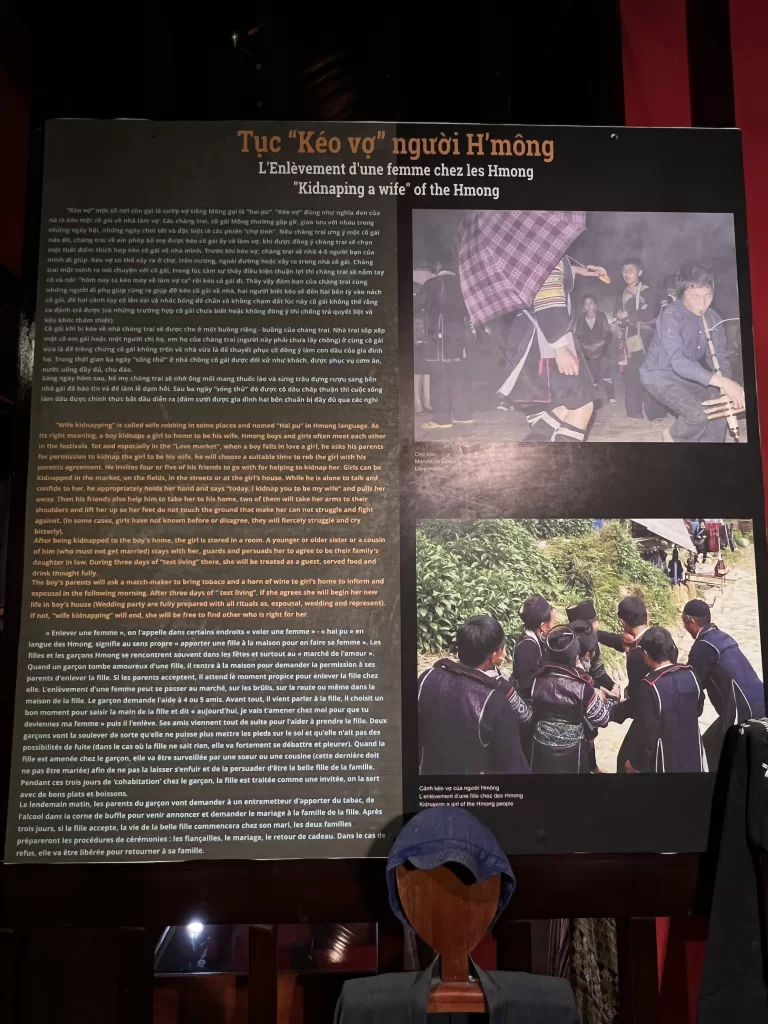
And joined a guided trek through the rice terraces, strolled around the town, and planned to take the Fansipan cable car (but skipped it due to bad weather). We also had lunch, tempted to walk around Cat Cat Village (although heavy rain cut it short), and still had time for dinner before catching an overnight bus at 10-11 pm back to Hanoi, and arriving in Hanoi the next morning around 5–6 am.
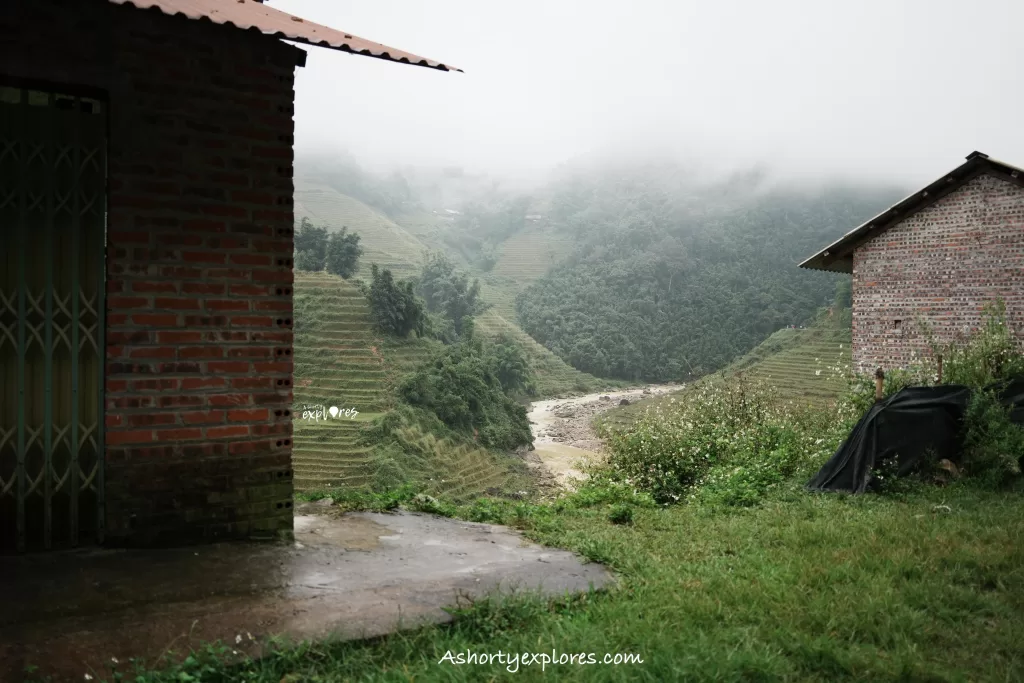
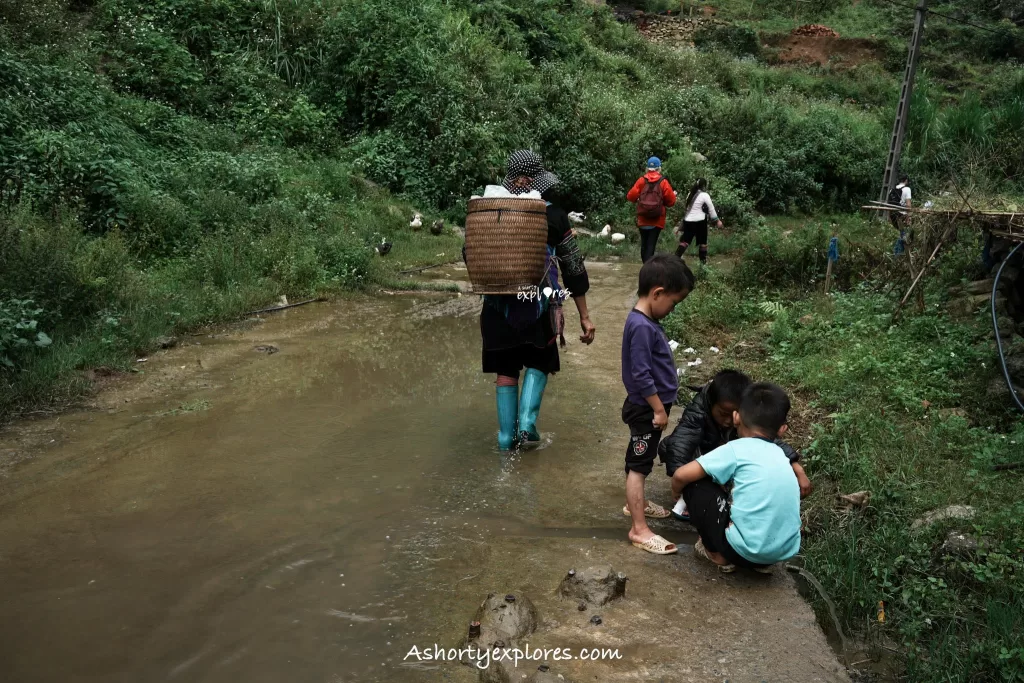
This gave us over 13 hours to explore Sapa, which was enough to see most of the attractions we wanted (except a few we didn’t go because of the rain). You can follow a similar schedule, but make sure to choose a VIP sleeper bus or great cabin on the train—otherwise, you will be exhausted from poor sleep!
🔗See my detailed review about the Sapa Hanoi sleeper bus here.
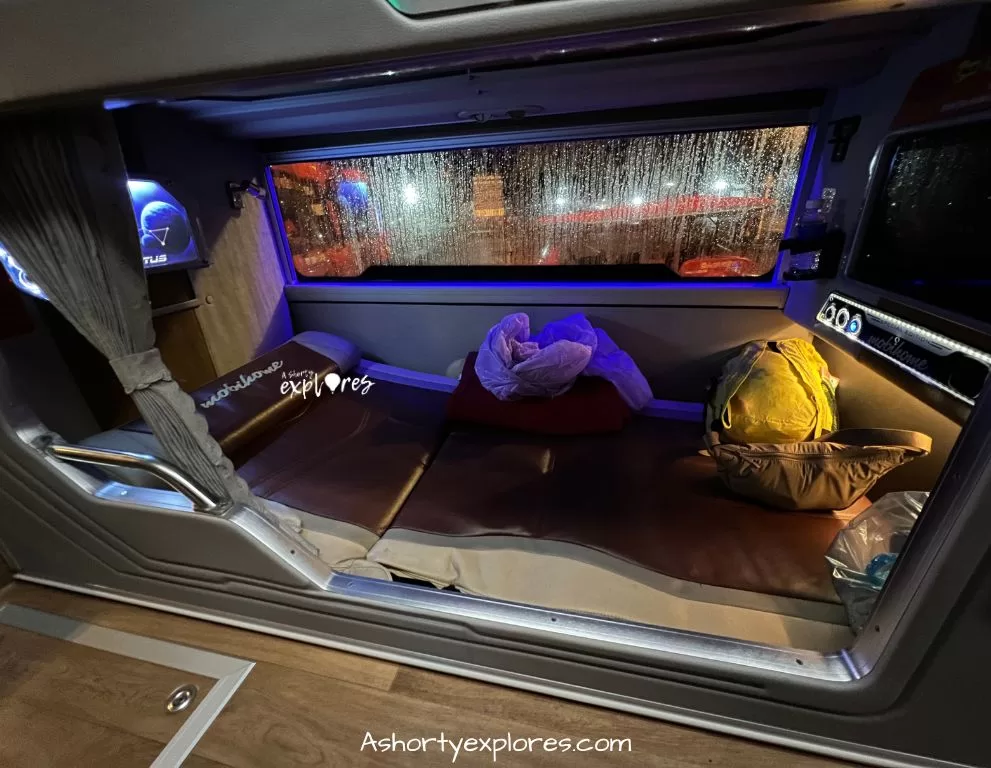
Of course, if you want to explore Sapa deeper, take time to enjoy nature, and culture, you might need at least 3-4 days.
I hope these Sapa travel tips help you plan your trip! Wishing you a safe journey, wonderful experiences, and plenty of sunshine along the way!


You May Also Like

Vietnam sleeper bus review & must know survival tips: from nightmare to pleasant ride on the Sapa Route

Hanoi Food Guide: 5 must-try food in Hanoi & authentic restaurants to eat