Hanoi travel guide for first-time visitors: must-try food, attractions, itinerary & currency tips
Planning a trip to Hanoi and wondering how many days is enough, what are things to do in Hanoi, and what to know before you go? This Hanoi travel guide will share aesthetic, historical, cultural places to go in Hanoi, as well as nearby natural spots and UNESCO World Heritage Site. You will also find the must try food, how to get around, Hanoi itinerary & currency tips and more. It’s a perfect Hanoi travel guide for first-time visitors and nature, culture lovers!
- Hanoi Food Guide: 5 must-try food in Hanoi & authentic restaurants to eat
- Halong Bay day tour review & travel tips: cruise, kayaking & cave exploration
- Sapa travel tips: tourist traps to avoid, how to get to Sapa from Hanoi & itinerary suggestion
- Vietnam sleeper bus review & survival tips (Sapa route)
- 11 aesthetic and cultural things to do in Ho Chi Minh City
- Vietnam E-Visa Application Guide: Official website, fees & tips you need to know before applying
What’s the ideal number of days to stay in Hanoi?
The capital of Vietnam- Hanoi is packed with cultural gems, historic landmarks, colonial buildings and some of the best Vietnamese food. It is also the perfect base for day trips to nearby destinations with stunning natural landscapes.
So if you are wondering how many days staying in Hanoi is enough, I’d say it all depends on your choices of what to do and see in Hanoi. I personally would recommend 3 to 5 days to dive into its culture, food and do a couple of day trips to enjoy the beautiful nature near Hanoi.
Where to stay in Hanoi is the most convenient?
If you are wondering where to stay in Hanoi is the best and most convenient choice for tourists, I’d say the 🔗Hoan Kiem District.
Hoan Kiem District is where the French Quarter and Old Quarter are located. And most of the city’s main attractions are either located here or just a short distance away. Additionally, many day tours offer hotel pickup services exclusively within this area, making it even more practical for visitors.
As for hotel type, there’s a wide variety of accommodation options, from luxury hotels to budget-friendly hostels, so everyone can find something that suits their budget and needs.
Hanoi transportation- how to get around?
If you 🔗stay in Hoan Kiem District, you can visit the French Quarter, Old Quarter and many great local restaurants in Hanoi by walking. And for other attractions in Hanoi you can go by a short ride on a (Grab) taxi.
As for visiting stunning nature- Halong Bay, Ninh Binh and cultural spot-Quang Phu Cau Incense Village, we find that the easiest, most comfortable and convenient way is to join the trustworthy, day tours that includes a tour guide and hotel pickup and drop-off in an air-conditioned bus or van.
If you are looking for a reliable platform to book your transportation tickets to Hoi An, Da Nang, Ho Chi Minh City from Hanoi, I recommend🔗 this website where I always book my tickets from while traveling in South East Asia.
Important note: although riding a scooter is the most common way to move around in Hanoi, after seeing how chaotic the traffic and streets are in Hanoi, I’d say- for your own safety, don’t try to ride a scooter by yourself (not even driving a car) in Hanoi while traveling.
Hanoi attractions & Hanoi itinerary tips
In the section below, I’ve grouped Hanoi’s attractions by 3 themes, so whether you are into history & culture, enjoy breathtaking landscapes or just want to check out the aesthetic and photogenic attractions, you get to pick whatever matches your vibe! And you can finalise how many days you need for Hanoi based on your choices of places to go.
If you are hoping to see everything on the below list, you might need around 5 days. But from my own experience and choices of things to see in Hanoi, 3 days in Hanoi is quite enough to cover many of the city’s highlights and even explore some beautiful nearby spots.
Important tips to plan your Hanoi itinerary: I’d suggest, on days when you don’t have a full day to explore (like on arrival or departure days), consider exploring areas within the city such as the Old Quarter, French Quarter, or Ba Dinh District. These neighborhoods are rich in culture and easy to explore in just a few hours.
Save your full days for popular Hanoi day trips to incredible natural destinations nearby Hanoi, as these trips usually last from morning to evening.
Hanoi attractions: top nature and landscape destinations
This part covers top nature attractions in and nearby Hanoi, from lakes, mountains to UNESCO World Heritage Sites that are perfect for nature lovers. Don’t forget to save 1-2 days for these places.
1. Ninh Binh
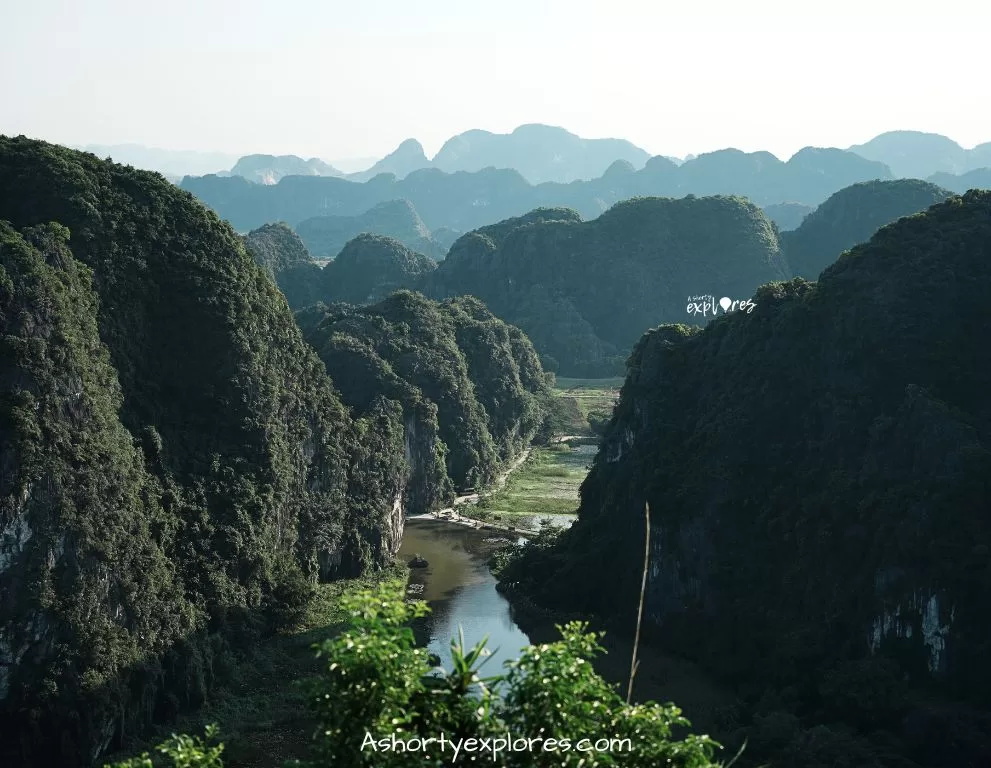
Have you ever seen those picturesque photos of Vietnam with layers of green rice fields beside a winding river and wondered where they were taken? That’s Ninh Binh, often called “Halong Bay on land” and it’s famous for the peaceful scenery, where mountains, rivers, vibrant rice fields, and historic sites all come together in one place.
The top attractions here include:

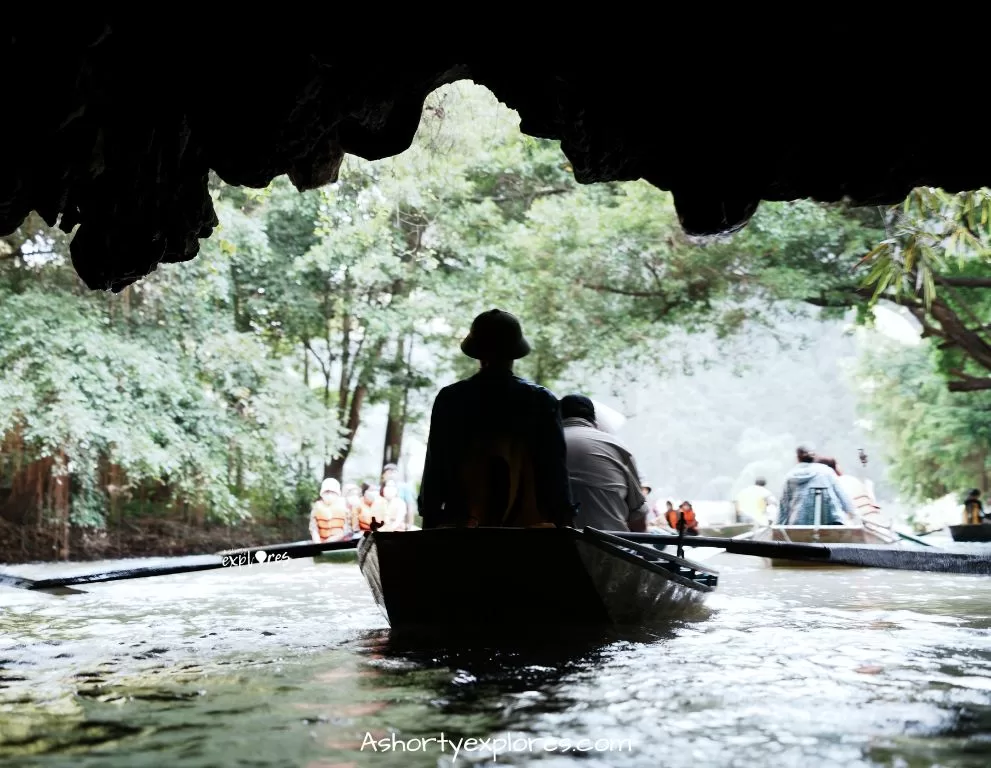
- Tam Coc River/Trang An: here, you get to take a traditional wooden boat ride along the river. It’s a relaxing journey, where you can just take photos and enjoy the view of mountains, rice fields, and riding through caves.
- Mua Caves: This is where you can overlook the stunning scenery of Tam Coc and capture some of the most iconic photos of Ninh Binh— layers of mountains, winding rivers, rice fields, and lotus ponds all in one frame. But before you enjoy the view, you will need to climb 500 stone steps first! So make sure to wear comfortable shoes. If you don’t mind waiting in line, you can even climb a bit higher to snap close-up shots of a stone dragon and a statue of Guanyin.
- Hoa Lu: It is Vietnam’s first capital and you can visit the temples of King Dinh and King Le.
- Bai Dinh Pagoda: this is one of the most famous sites in Ninh Binh, and largest Buddhist temple complexes in Vietnam. If you are interested in temples, don’t forget to check it out.
Tips on visiting Ninh Binh:
- If you want to see the most beautiful view in Ninh Binh when rice fields are in varied shades of green and yellow, you need to visit during the rice harvest season (May to June). My photos were taken in October so it doesn’t have green and golden yellow shades.
- As for the easiest and hassle-free way to get to Ninh Binh, I’d say it’s by joining a guided day tour. 🔗This tour includes a bamboo boat ride on the river, visit Mua Caves, and some of the top historical spots (you get to choose). The transportation for each attraction is by bus with air conditioner, which is very much needed for traveling in the hot Vietnam.
2. Halong Bay
If you prefer a more relaxed way to explore Vietnam’s stunning natural scenery, a visit to Halong Bay is a perfect choice for you.

Famous for its impressive limestone islands and hidden mysterious caves, Halong Bay, a UNESCO World Heritage Site is a top destination in northern Vietnam for travelers who love nature, photography and enjoy cruising through peaceful, breathtaking landscapes.
Most of the travelers include Halong Bay into their Hanoi itinerary as it is not far from the city and can be visited by 🔗joining a day trip from Hanoi, which I’d say is the easiest and most convenient way to visit Halong Bay.

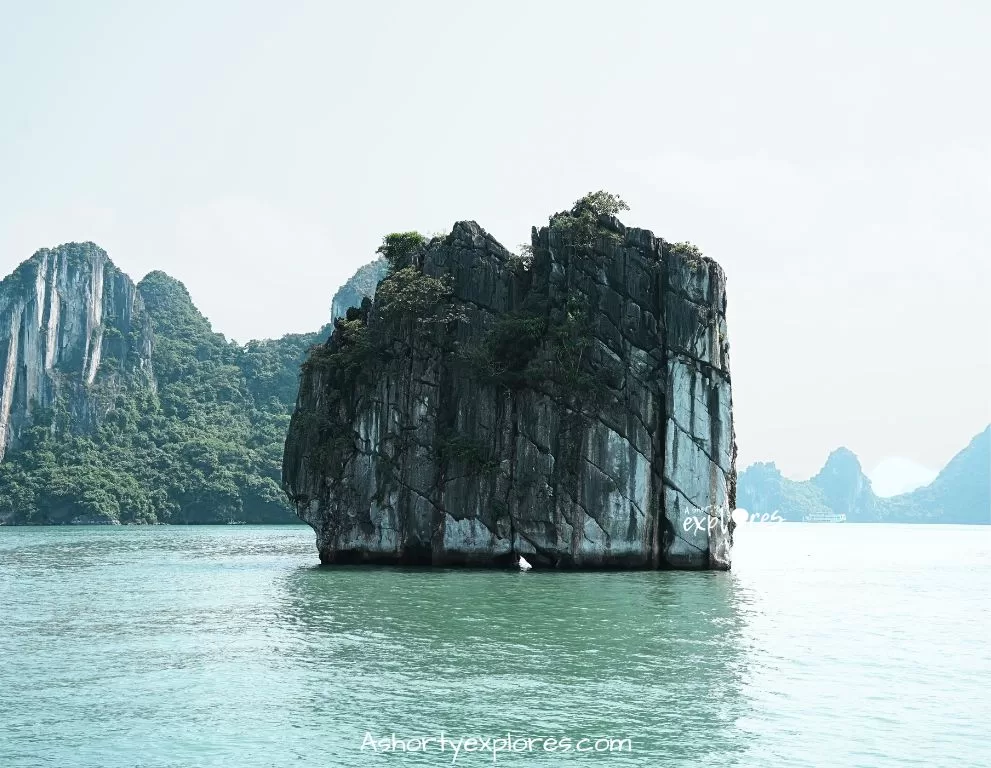
I personally 🔗joined this Halong Bay day tour and highly recommend it! The experience includes a cruise, the option to kayak or take a bamboo boat ride along Halong Bay, and a visit to mysterious, majestic, stalactite-filled cave—Thien Cung Cave. During the cruising, you will even get to see one of the most famous rocks, Dinh Huong Island is even featured on Vietnam’s 200,000 VND note, which shows how important Halong Bay is for Vietnam! It’s really beautiful and worth a visit!
For more details and what to expect from the Halong Bay day tour from Hanoi, you can 🔗check out my full review and photos here.
3. Lakes within Hanoi city
Hoan Kiem Lake and West Lake are two popular spots for enjoying a bit of the natural sides within Hanoi. Located in the Old Quarter, Hoan Kiem Lake is where you can chill and find two iconic historical landmarks—Ngoc Son Temple and the red Huc Bridge. It is a great place for a walk along the river.
And just a short ride away, West Lake offers an even more relaxed vibe with lakeside cafes, Tran Quoc Pagoda, and stunning sunset views, it is perfect for a break from Hanoi’s busy streets.
Google Maps location for Hoan Kiem Lake: 🔗click here
Google Maps location for West Lake: 🔗click here
Hanoi attractions: top cultural experiences and historical spots
Below Hanoi attractions offer a deeper look into Vietnam’s historic architecture, diverse ethnic cultures, and locals’ daily life on the street. If you are interested in history and culture, make sure to include these places in your Hanoi itinerary!
1. Old Quarter (Hoan Kiem District)
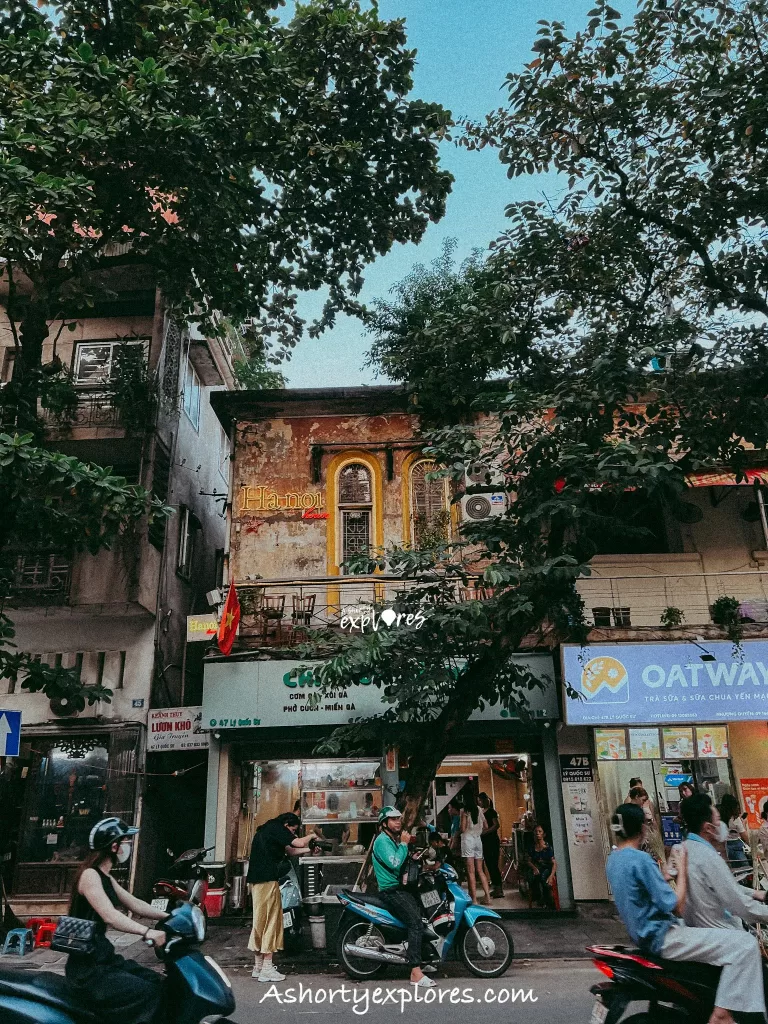
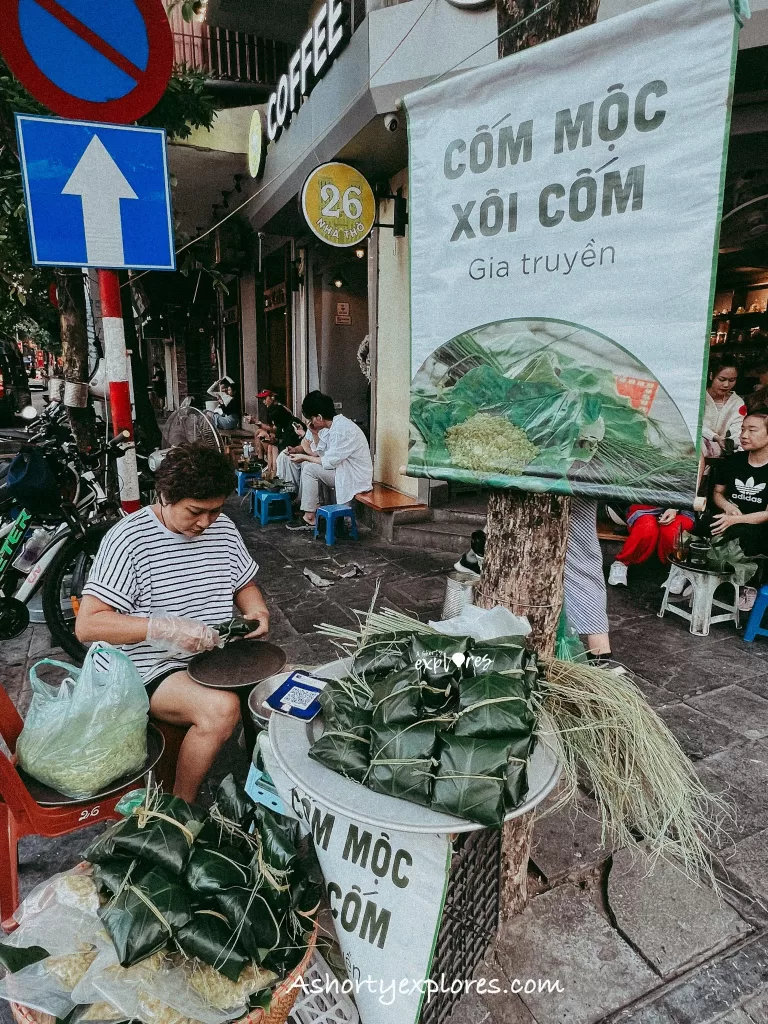
Hanoi’s Old Quarter is the soul of the city. You can see Hanoi style of old buildings, streets packed with scooters moving to all different directions, tiny tables & iconic plastic stools at local eateries, locals’ daily life and more, which show the authentic character of Hanoi- chaotic, bustling and full of energy. It is one of the must visit places in Hanoi!
The best way to explore Hanoi Old Quarter is by walking through its lively streets. Along the way you get to taste authentic Vietnamese street food, traditional coffee as well as observe locals’ daily life.
-If you want to dive deeper into Hanoi Old Quarter and food in Hanoi, It’s recommended that you join 🔗this guided city and food walking tour or hop on 🔗this food tour that brings you to some of Hanoi’s best Michelin-recommended local restaurants.
2. French Quarter (Hoan Kiem District)
Next to Hanoi Old Quarter, the French Quarter is the area in Hanoi where you get to see many French colonial-style architectures, with more restaurants and hotels with high-end style.
If you love street photography & Europeans style architectures, you can walk and take photos around and visit some of the famous attractions in Hanoi French Quarter, suggestions are as below:
3. Incense village (Ung Hoa District)
Quang Phu Cau Incense Village is one of the most photogenic and aesthetic places in the outskirts of Hanoi. Visit here you will get to see how incense is made and capture lots of stunning, colourful vibrant photos.
If this is your vibe and you are looking for the easiest and most convenient way to visit Quang Phu Cau Incense Village from Hanoi, you can 🔗join this half-day or full-day tour (click here to see the options).
4. Ho Chi Minh Mausoleum Complex (Ba Dinh District)
The Ho Chi Minh Mausoleum Complex is one of the most important landmarks in Hanoi. The whole complex includes Ho Chi Minh Museum, Ho Chi Minh Mausoleum, Ho Chi Minh’s Stilt House (his former residence), Presidential Palace, and One Pillar Pagoda. It also places the preserved body of Ho Chi Minh, Vietnam’s former president. You can take a visit and learn more about the country’s history.
Before you go, you need to note that photography is not allowed, and make sure you dress modestly (no shorts or sleeveless tops allowed).
Google Maps location for Ho Chi Minh Mausoleum Complex: 🔗click here
5. Vietnam National Fine Arts Museum (Ba Dinh District)
The Vietnam National Fine Arts Museum displays around 2,000 valuable artworks by Vietnamese artists, from ancient times to the present. You will find sculptures, paintings, ceramic and more. It’s a great spot to add to your Hanoi itinerary, if you are into art and want to learn more about Vietnamese culture.
Google Maps location for Vietnam National Fine Arts Museum: 🔗click here
6. Vietnam Museum of Ethnology (Cau Giay District)
The Vietnam Museum of Ethnology showcases the diverse cultures of 54 officially recognised Vietnam’s ethnic groups through photography, traditional artifacts, replicas of the architecture and more. It is one of the best cultural places to go in Hanoi if you want to understand Vietnam’s ethnic groups.
Google Maps location for Vietnam Museum of Ethnology: 🔗click here
Hanoi attractions: Aesthetic photo spots
This section is for photography enthusiasts and aesthetic seekers to discover some of the most aesthetic and photogenic spots in Hanoi, from charming, unique street views to panoramic city views from the rooftop bars, and a vibrant traditional village filled with colourful incense. All are perfect photo spots for capturing beautiful Hanoi moments.
1. Hanoi’s Train Street
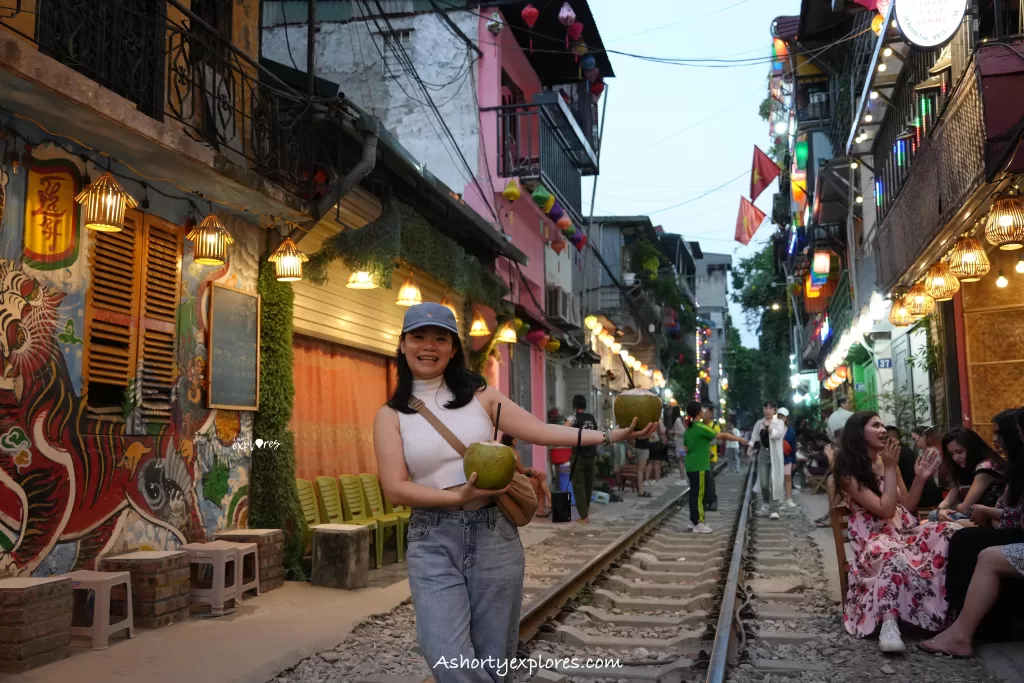
Train Street in Hanoi’s Old Quarter is one of the most iconic and popular attractions in Hanoi. Famous for its narrow alley with trains passing the surrounding residential buildings and cafes crazily close. It’s travellers and photographers/videographers favourite spot looking to capture and experience the unique moments.
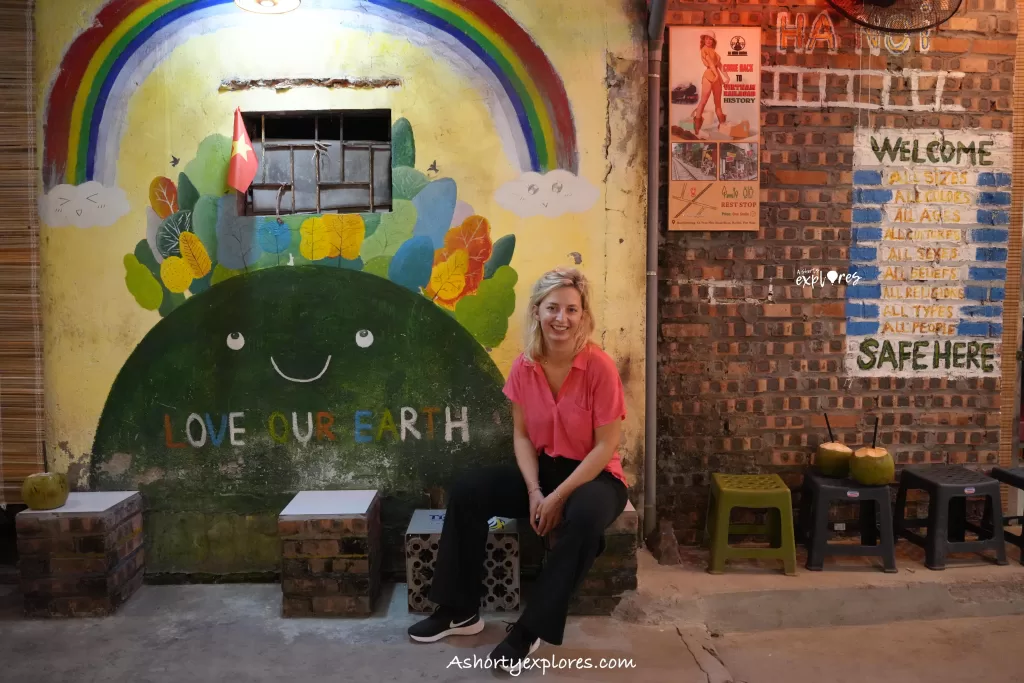
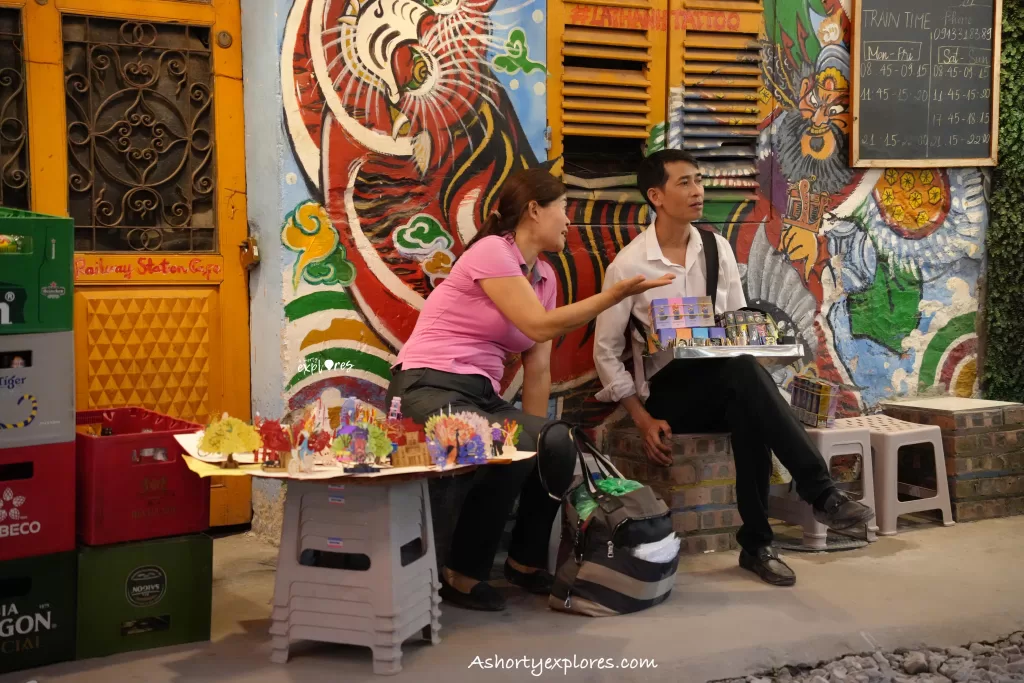
Important things to know before visiting Train Street in Hanoi:
- Safety first! The trains pass extremely close to the buildings at the Train Street, which makes it quite DANGEROUS! And because of this, police often guard the area and sometimes close it off with gates, so getting in can be difficult. However, you might still be able to enter if a cafe or eatery staff member comes out to take you inside.
- Tips for finding the train schedule at Train Street: although trains pass by daily, the exact schedule can vary and change without notice. Based on my own experience, I highly recommend calling a cafe or eatery at the Train Street directly to ask for the schedule and book a seat BEFORE YOU GO, as they usually have the more accurate, up-to-date information. Don’t trust the schedule people post online- I once followed a train schedule shared by an influencer online and ended up waiting for 2–3 hours, with no train showing up. Instead, the police arrived and told everyone to leave. To save yourself the trouble, it’s better to confirm with the locals! (It might not be 100% guaranteed seeing a train, but still more reliable than trusting outdated schedules online).
Google Maps location for Hanoi’s Train Street: 🔗click here
2. Old Quarter Streets & French Quarter
The Old Quarter and French Quarter aren’t just the important cultural and historical parts of Hanoi—they are also two of the most vibrant and visually appealing areas in the city. If you are into street photography, love a blend of Asian and colonial architecture, or simply want to capture the authentic spirit of Hanoi, these two neighborhoods should definitely be on your Hanoi itinerary.
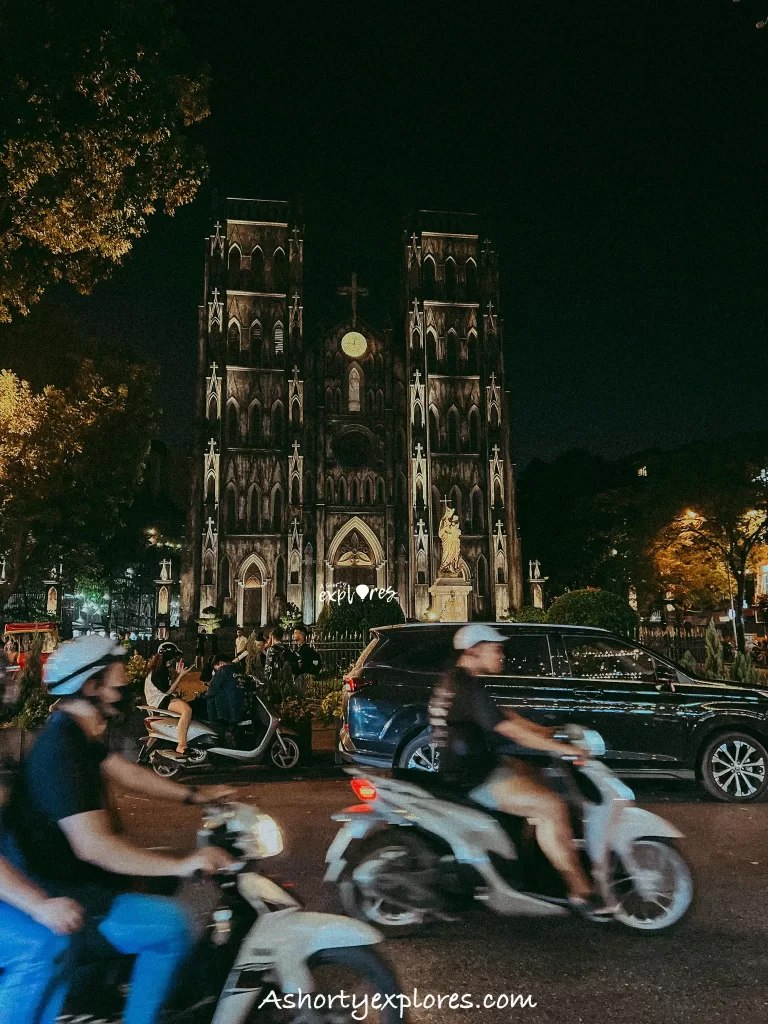
When you are in the French Quarter taking photos of the western-style 🔗St. Joseph’s Cathedral, don’t forget to also capture the unique scene of the cathedral surrounded by the bustling and chaotic Vietnamese street views, which perfectly showcases the blend of East and West cultures in Hanoi.
3. Quang Phu Cau Incense Village
As mentioned in the above list of cultural places to visit in Hanoi, Quang Phu Cau Incense Village isn’t just a place to learn how traditional incense is made, it is also an incredibly photogenic spot. If you are looking to capture vibrant, colourful, and unique photography, this village is a must-visit during your time in Hanoi!
4. Rooftop bars in Hanoi
In Hanoi you can find lots of stunning rooftop bars that offer panoramic views of Hanoi’s city views and West Lake. Some of these bars are perfect for catching a stunning sunset..
Many of the rooftop bars recommended by Vietnam Airlines 🔗on this list stand out with their stylish, modern, and artistic design and are perfect spots for travelers to relax and enjoy the view & capture photos. They are definitely worth adding on your Hanoi itinerary.
Must-try Vietnamese food in Hanoi
Vietnamese food is one of the best and most popular foods in South East Asia, and Hanoi city offers plenty of amazing restaurants for authentic Vietnamese food.
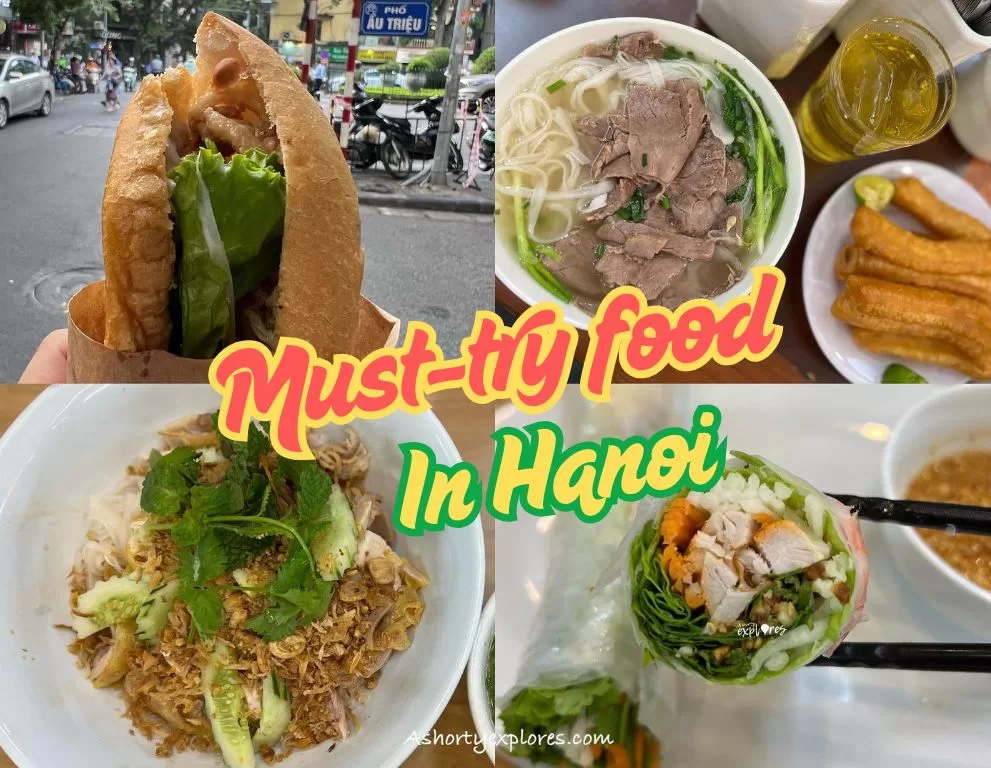
The must try Vietnamese food in Hanoi includes:
- Pho (rice noodle soup with beef/chicken).
- Banh mi (Vietnamese sandwich).
- Goi cuon/Nem cuon (Vietnamese fresh spring roll).
- Pho tron ga (dry rice noodle with chicken) .
- Bun cha (vermicelli noodle with grilled pork).
For more information about Vietnamese food in Hanoi and where are the best restaurants/eateries to try the above food, you can 🔗read this detailed Hanoi food guide for it.
Hanoi, Vietnam SIM card and e-SIM information
If you want to get a SIM card or e-SIM in Hanoi, Vietnam, I suggest you get it from the Viettel telecompany, as it is the largest provider in Vietnam and has strong coverage in Vietnam. This means you will have a good connection not only in Hanoi and other major Vietnamese cities, but also in remote areas.
We also used Viettel SIM cards while traveling in Vietnam, and had stable connections in Sapa, Hanoi, Hoi An, HCM, Ninh Binh, Halong Bay, and Mekong Delta.
You can easily check the data plans and price & 🔗purchase the Viettel SIM card and e-SIM in advance on this reliable provider and pay by credit card.
Best times to visit Hanoi, Vietnam
According to Viet Nam National Authority of Tourism, usually the best time to visit Hanoi, Vietnam is in September, October, November when it’s the dry season for Hanoi.
However, sometimes people encounter late typhoons even in September and October. So, make sure you check the weather before you travel.
We went to Hanoi, Vietnam in October, and the weather was perfect —it stayed dry throughout the trip. Although it was still quite hot and humid, and nothing like the cool autumn weather we expected, it was definitely better than dealing with rain.
Bring cash or credit cards when visiting Hanoi, Vietnam?
You may think that as a popular city for international tourists, credit cards could be widely accepted in Hanoi, Vietnam but unfortunately that wasn’t the case when we visited- we didn’t exchange Vietnamese dong (VND) cash, so we had to constantly withdraw money from ATMs or pay in USD cash (though change is given in VND and the exchange rate isn’t great).
From our own experiences, and the fact that many local restaurants, street food vendors, buses and tips only accept cash but bigger restaurants and hotels do accept credit cards- I recommend bringing both credit cards and Vietnamese dong (VND) cash when visiting Hanoi, and book your hotels, day tours, and transportations online (credit cards allowed) in advance so you don’t need to bring too much cash with you.
If you are unsure how much VND you will need, you can bring some USD/Euro to exchange at the currency exchange shops. Otherwise, you can use your home country’s ATM card to withdraw VND from ATMs around the town (if you had set up this option from your bank), though keep in mind there may be service fees.


You May Also Like

Hanoi Food Guide: 5 must-try food in Hanoi & authentic restaurants to eat
Is the Vietnam Mekong Delta Day Tour Worth It? Honest Review & Travel Tips